Law · safety · health
Cannabis and home growing
First check what the law says in your selected country. This guide covers law, safety at home and basic plant needs at the level of official public guidance.
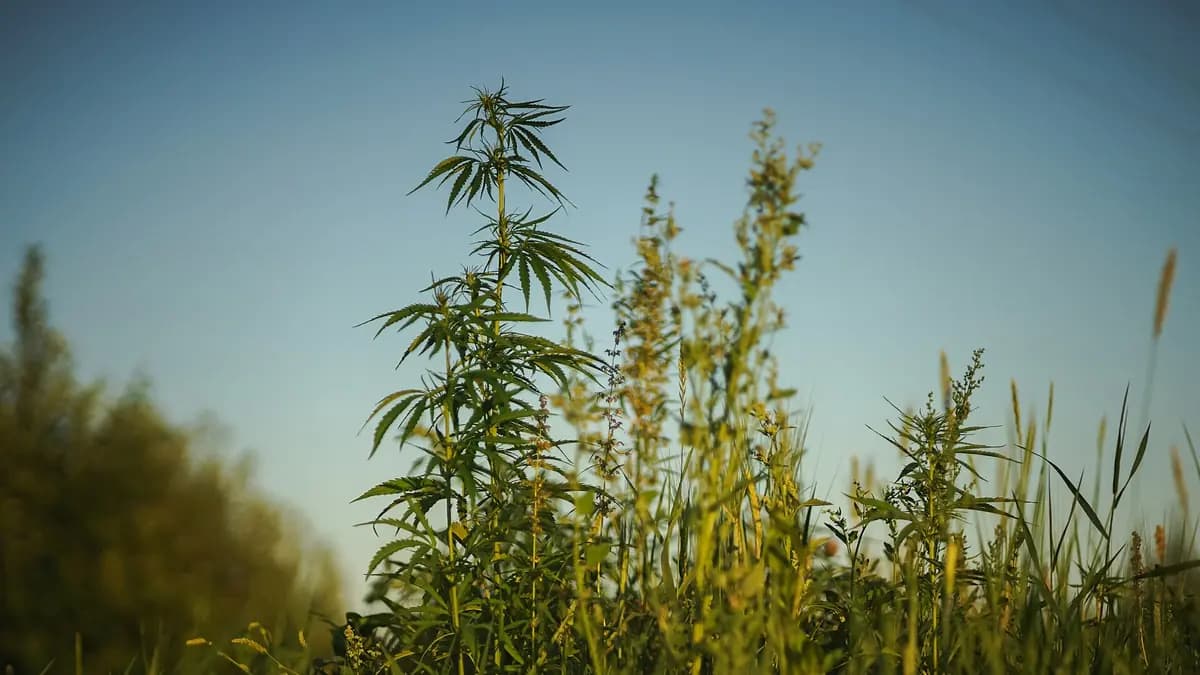
This guide is general. It does not cover maximising yield or potency, plant training, processing the harvest or making products.
What the law requires
- The box above shows the situation in your selected country. You can change the country at the top of the page.
- Home growing is legal in only a few countries and always with conditions: usually adults only, personal use only and at your own home.
- Plant numbers are capped, e.g. Germany 3 per adult, Malta and Luxembourg 4 per household, Canada 4 per residence. Limits often count all plants regardless of stage.
- Selling or giving away the harvest is prohibited almost everywhere.
- Some countries require seeds or plants from a legal source, registration (e.g. Uruguay) or that plants are not visible from public places.
- Regions, municipalities, landlords or housing companies may also restrict growing.
- If growing is prohibited in your country, do not grow. In Finland the legal alternative is field cultivation of industrial hemp.
All countries
| Country | Status | Plant limit | Source |
|---|---|---|---|
| Finland | Not allowed | — | Finlex: Huumausainelaki 373/2008 |
| Sweden | Not allowed | — | Sveriges riksdag: Narkotikastrafflag (1968:64) |
| Norway | Not allowed | — | Lovdata: Straffeloven kapittel 23 |
| Denmark | Not allowed | — | Retsinformation: Bekendtgørelse om euforiserende stoffer |
| Estonia | Not allowed | — | Riigi Teataja: Act on Narcotic Drugs and Psychotropic Substances |
| Germany | Allowed with conditions | Max 3 plants at a time per adult | Gesetze im Internet: § 9 KCanG |
| Netherlands | Not allowed | — | Government.nl: Possessing, producing or dealing in drugs |
| Malta | Allowed with conditions | Max 4 plants per household | Legislation Malta: Act LXVI of 2021 |
| Luxembourg | Allowed with conditions | Max 4 plants per household | Portail Santé Luxembourg: Culture à domicile |
| Czechia | Allowed with conditions | Max 3 plants (4–5 is an administrative offence, over 5 a crime) | Trestní advokáti: novela § 285 trestního zákoníku (od 1.1.2026) |
| Spain | Unclear – check local law | — | BOE: Ley Orgánica 4/2015 |
| Portugal | Not allowed | — | EUDA: Portugal country drug report |
| Switzerland | Not allowed | — | BAG: Geltende Rechtslage Hanf- und Cannabisprodukte |
| United Kingdom | Not allowed | — | GOV.UK: Drugs penalties |
| Canada | Allowed with conditions | Max 4 plants per residence (federal) | Health Canada: Growing cannabis at home safely |
| United States | Varies by region | Varies by state | NCSL: Cannabis Overview (state laws) |
| Uruguay | Allowed with conditions | Max 6 female plants per household (registered) | IRCCA: Vías de acceso |
| Thailand | Unclear – check local law | — | Juslaws: Thailand cannabis regulation (April 2026) |
| South Africa | Restricted | Not yet set (draft: 5 plants per adult) | Dept. of Justice (ZA): Draft regulations, Feb 2026 |
| Australia (ACT) | Allowed with conditions | 2 plants per person, max 4 per household | ACT Policing: Drugs and the law |
Summary, not legal advice. Checked 2026-09-24.
Safety at home
- Store plants, harvest and products locked away from children and pets. Do not keep them with food or sweets.
- Electricity: use only approved, marked equipment. Do not overload sockets or extension cords and keep water away from electrical devices. New wiring is a job for an electrician.
- Fire: keep lamps and heaters well away from flammable materials and make sure your smoke alarm works.
- Humidity and mould: plants release a lot of water. Ventilate and monitor humidity – damp and mould are a health risk and damage buildings.
- Pesticides: use only products approved for that use in your country.
- Odour and neighbours: consider neighbours, housing rules and your lease.
- Never sell or give the harvest to others – it is illegal almost everywhere.
Basic plant needs
- Light: the plant needs plenty of light. Outdoors a sunny spot; for indoor lamps follow the manufacturer’s safety instructions. Note: e.g. the Australian ACT prohibits artificial light.
- Water: water when the topsoil has dried. Avoid standing water – roots need air too.
- Growing medium: well-draining soil and a pot with drainage holes. Most vegetables like slightly acidic to neutral pH (about 6–7).
- Temperature and humidity: normal room temperature, about 20–28 °C by day. Avoid frost and strong heat. Moderate humidity lowers mould risk.
- Ventilation: air movement strengthens stems and reduces mould.
- Nutrients: general-purpose fertiliser as directed. Over-fertilising damages roots.
Life cycle in brief
- Seed and germination: in moist, warm conditions seeds usually germinate within a few days.
- Seedling: the first leaf pairs develop. Seedlings are sensitive to drying out and waterlogging.
- Vegetative stage: the plant grows leaves, stem and roots. It lasts weeks depending on variety and light.
- Flowering: in most varieties shortening days trigger flowering (late summer outdoors); so-called autoflowering varieties flower by age. Plants are usually male or female.
- Cannabis is an annual: the life cycle ends after flowering and seed development.
- Laws often count all plants, including seedlings – keep this in mind.
Health and responsibility
- Cannabis use carries health risks such as dependence and mental-health harms. Risks are highest for young people.
- Do not drive or operate machinery while impaired.
- Avoid use during pregnancy and breastfeeding.
- If use worries you, the services below offer help and information.
Reliable health information
Sources
- Health Canada: Growing cannabis at home safely
- BMG: Fragen und Antworten zum Cannabisgesetz (KCanG)
- Gesetze im Internet: § 9 KCanG
- BIÖG: Infos-Cannabis.de
- EUDA: European Drug Report 2025 – Cannabis
- Päihdelinkki (Finland): Cannabis
- THL (Finland): Drugs
Country-specific sources are in the All countries table.
This information is general and not legal advice. You are responsible for following the law of the country where the plants grow.