← All guides · Field area

Field · special crop

Industrial hemp in the field

A practical guide to growing industrial hemp (fibre and seed/oil hemp) outdoors in Finland: law and notifications, variety, sowing, fertilising, the season and harvest. Covers approved varieties only, field cultivation, and fibre (stem) and seed.
StartFirst step: mark hemp on a parcel.
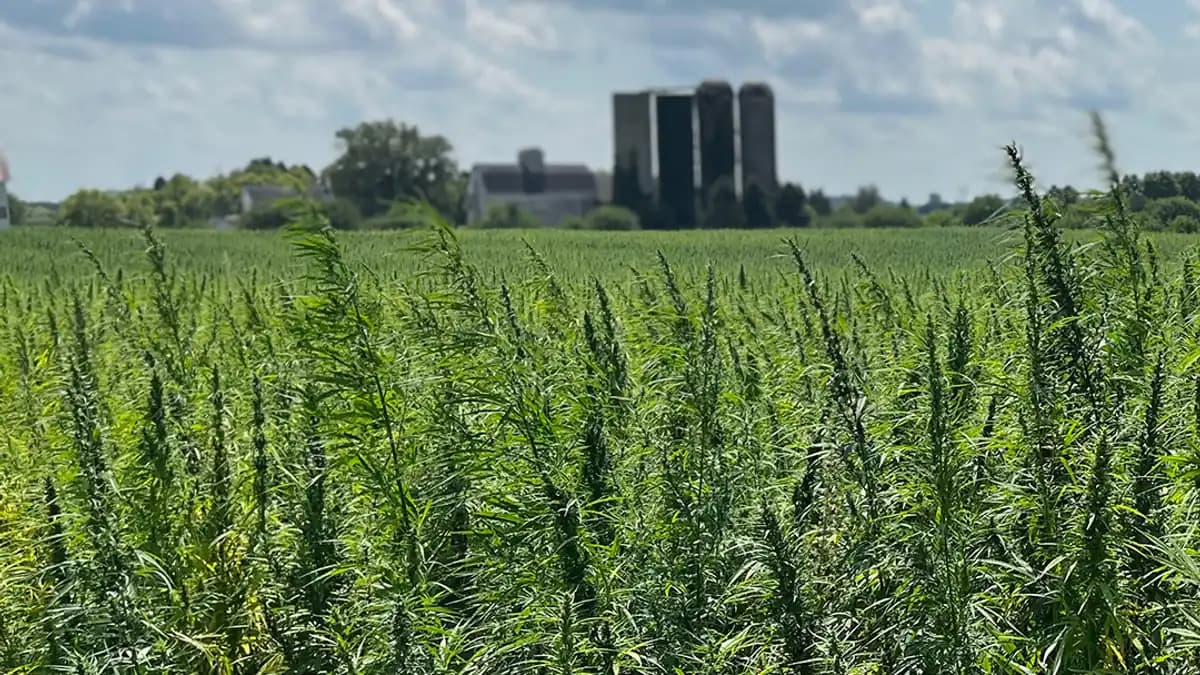
Mature industrial hemp field

What industrial hemp is

Choosing a variety

Field and soil

Sowing

Sow into warm, moist soil. Sowing too deep is the most common cause of failure.

Seed (oil hemp, e.g. Finola)Fibre (e.g. Uso 31)
Soil temperature8–10 °C8–10 °C
Sowing timeMay, around mid-month (southern Finland), by conditionsEarly spring, by mid-June at the latest
Seed rate25–30 kg/ha (first-timers 30–35; direct drilling ~30 kg/ha)25–60 kg/ha by variety – check with seller
Target densityabout 100 plants/m²denser = thinner stems, finer fibre
Depth1–2 cm (dry soil 2–3 cm)1–3 cm
Row spacing12.5–25 cmstandard cereal drill, e.g. 12.5 cm
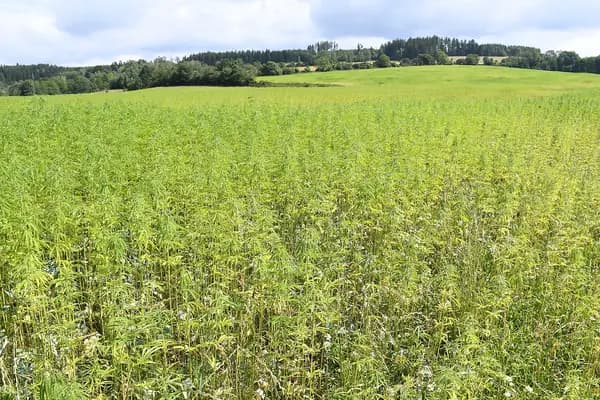
Dense hemp crop in a field
Hemp crop in late summerPhoto: Ben Skála (Benfoto) · CC BY-SA 4.0
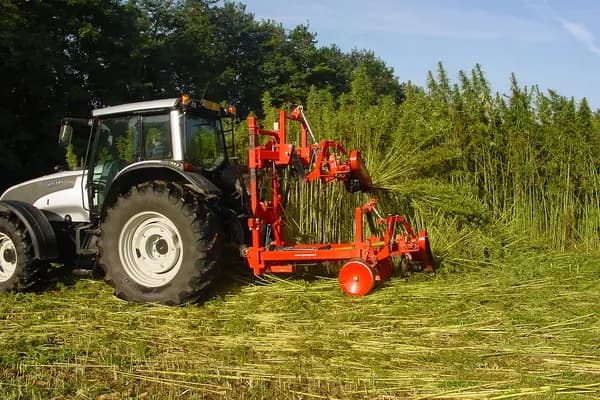
Tractor and mower harvesting hemp
Harvest: mowing and swathingPhoto: Aleks · CC BY-SA 3.0

Fertilising

Season: weeds, birds, monitoring

Harvest: seed and fibre

Seed (oil hemp)

  • Growing time about 120–130 days, longer in cool summers.
  • Combine when seeds start to shed: ~70 % ripe, moisture ~22–30 %. Late harvest = shedding and bird losses.
  • Header as high as possible, sharp knives. Fibres wrap around moving parts; fibre in bearings causes heat and fire risk.
  • Drive steadily and clean bearings and shafts often.
  • Avoid cracking seed: oily seed goes rancid easily.
  • Stems can be chopped into the field during or after combining.

Fibre (stem)

  • In Finland fibre hemp is usually harvested in spring right after snowmelt while the ground is still frozen (dry-line method).
  • Autumn harvest suffers from wet weather and high drying costs.
  • Baling: large square balers have worked best, round balers reasonably; small balers clog.
  • Flail mowers and other rotating blades clog easily on tough stems.
  • Agree fibre delivery and quality requirements with the buyer before sowing.

Drying, storage and retting

Season checklist

Winter

  • Choose the use and agree a buyer.
  • Check eligible varieties and order certified seed.
  • Pick a low-weed, well-drained field; check the soil test.

Spring (Apr–May)

  • Area aid application in Vipu: hemp, variety, seed kg/ha and planned sowing date.
  • Keep seed bag labels.
  • Fibre: harvest last year's crop right after snowmelt.

May–June

  • Sow into 8–10 °C soil, 1–2 cm deep.
  • Labels to Vipu or municipality by the deadline (2026: 9 June).
  • Watch emergence and weeds.

Summer (Jun–Jul)

  • Record start of flowering.
  • Leave the crop intact – THC sampling possible July–September.
  • Check the field after storms.

Aug–Sep

  • Watch seed ripening and birds.
  • Combine no earlier than 10 days after flowering ends, when seeds start to shed.
  • Dryer ready: drying within 3–4 h.

Autumn

  • Dry seed to 7–9 %, clean and store protected.
  • Chop oil hemp stems into the field; fibre hemp stays out over winter to ret.
  • Keep labels and notes (4 years).

Figures are recommendations and ranges from Finnish sources. Your soil test, the seed seller's instructions and ProAgria advice always come first.

Sources

  1. Finnish Food Authority: Eligible hemp cultivation 2026 (Finnish)
  2. Finnish Food Authority: Hemp – variety list, THC limit, certified seed (Finnish)
  3. European Commission: Plant variety catalogues
  4. Luke / Laine, A. 2017: Oil hemp (FutureCrops, Finnish)
  5. ProAgria: Fibre hemp fact sheet (Finnish)
  6. Finola: Basic information on FINOLA agronomy
  7. Trans Farm: Sowing oil hemp (Finnish)
  8. MTT 2005: Oil hemp cultivation technique (Finnish)
  9. Tukes: Plant protection products